
HERBARIUM

Human desire changed the plant.
The plant changed human behaviour.
Michael Pollan‘s most useful gift was not simply that he wrote about cannabis. It was that he changed the angle.
In The Botany of Desire and its documentary adaptation, Pollan looks at plants as active partners in evolution. Humans think they domesticate plants. But plants also shape human desire, behaviour, labour and imagination.
Cannabis becomes one of the clearest examples.
The plant offered something humans repeatedly seek: altered consciousness, forgetting, loosened perception and a temporary sideways step from ordinary reality. In return, humans carried it, protected it, selected it, crossed it, hid it, traded it, bred it and moved it across the planet.
Human desire changed the plant.
The plant changed human behaviour.
Both kept adapting.
For LIBERA HERBA, this is not romanticism. It is an evolutionary question.
Which species used the other more intelligently?
And which one will prove more capable
of surviving what comes next?
Pollan’s argument does not make plants conscious strategists.
It changes the scale of the story. Domestication becomes reciprocal: humans select plants, while plants shape human labour, desire, culture and movement.
Cannabis survives not only because people use it.
It survives because people keep wanting
what it offers.
Factual Note
Michael Pollan’s The Botany of Desire: A Plant’s-Eye View of the World was published in 2001. It examines four plants through four human desires: apple and sweetness, tulip and beauty, cannabis and intoxication, and potato and control.
The book was later adapted into a documentary, where the cannabis section explores intoxication, forgetting, consciousness and the reciprocal evolutionary relationship between humans and plants.
Pollan also gave the Berkeley lecture “Cannabis, Forgetting, and the Botany of Desire”, later published by the Townsend Center.
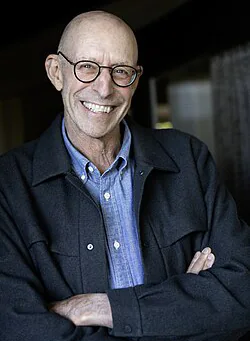 Michael Pollan
1955–
American author, journalist and teacher
Pollan is known for writing about the relationships between plants, food, agriculture, culture and consciousness. His books include The Botany of Desire, The Omnivore’s Dilemma, In Defense of Food and How to Change Your Mind. Across his work, he repeatedly asks how human choices shape living systems—and how those systems shape human behaviour in return.
Photo: Cmichel67 from wikipedia.org
A living archive of cannabis—its cultivation in practice and its traces across science, culture, language, power and memory.
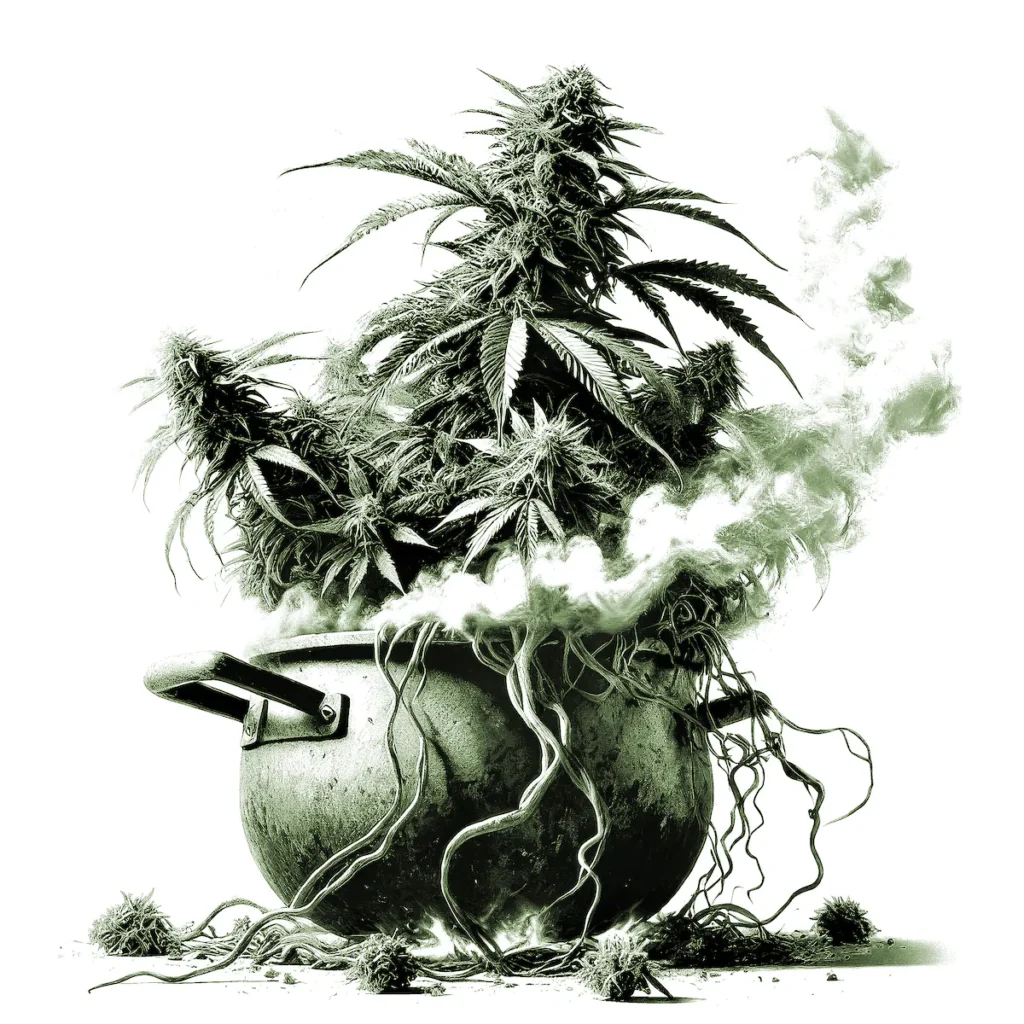
Join early.
Keep the archive open.
The VADEMECUM is becoming a living archive of guides, tools, notes and practical plant knowledge.
Free member access. Join early. Keep the archive open.
Join early.
Keep the
archive open.
The VADEMECUM is not just a book anymore. It is becoming a living archive of guides, tools, notes and practical plant knowledge.
Free member access. Join early. Keep the archive open.
The VADEMECUM is becoming a living archive of practical plant knowledge.
Free member access.