
—orig. developed through MOICANNA
– originally developed through MOICANNA
HEBRARIUM
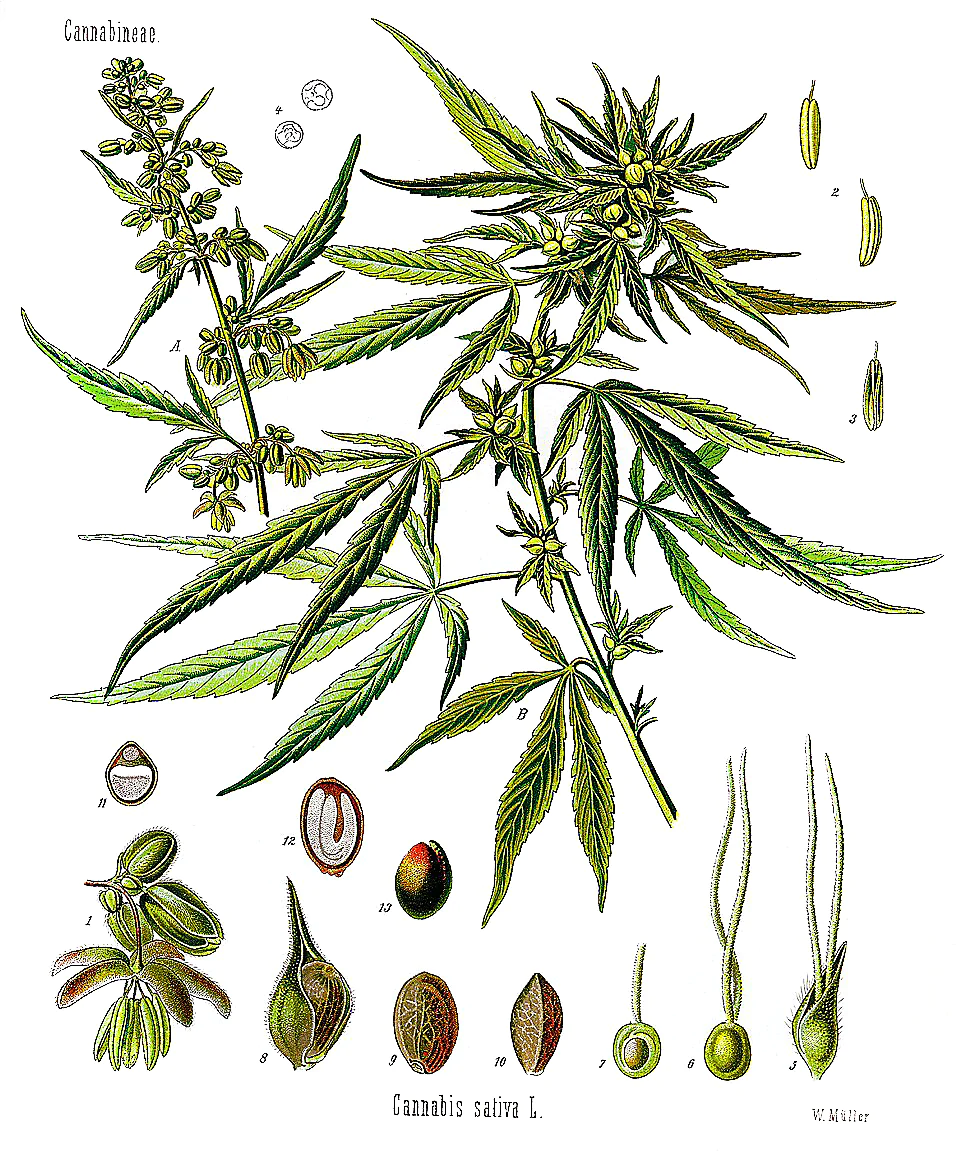
Before cannabis became an accusation,
it was named as a cultivated plant.
In 1753, Carl Linnaeus placed the plant inside modern botanical language.
Cannabis sativa.
The binomial sounds almost dry in its precision. Yet the second word matters: sativa — cultivated, sown, associated with plants known through human use.
The name does not romanticise the plant.
It does something stronger.
It places cannabis among the useful species that entered human life through cultivation: fields, fibre, seed, medicine, labour, trade and memory.
Scientific names are not
neutral labels without history.
They preserve decisions about resemblance, use, origin and classification.
In Cannabis sativa, taxonomy does not remember prohibition.
It remembers cultivation.
For LIBERA HERBA, this is a quiet but important trace. Before cannabis became a legal category, a moral panic or a cultural symbol, it was named as a cultivated plant.
Not an accusation. A relationship.
Factual Note
Carl Linnaeus published the binomial Cannabis sativa L. in Species Plantarum in 1753. The Latin epithet sativa means cultivated or sown.
 Carl Linnaeus
1707–1778
Carl Linnaeus was a Swedish physician and naturalist closely associated with the formalisation of binomial nomenclature. In 1753, he published the name Cannabis sativa in Species Plantarum. His role in cannabis history belongs to taxonomy: naming, classifying and making the living world legible.

Join early.
Keep the archive open.
The VADEMECUM is becoming a living archive of guides, tools, notes and practical plant knowledge.
Free member access. Join early. Keep the archive open.

Join early.
Keep the
archive open.
The VADEMECUM is not just a book anymore. It is becoming a living archive of guides, tools, notes and practical plant knowledge.
Free member access. Join early. Keep the archive open.
The VADEMECUM is becoming a living archive of practical plant knowledge.
Free member access.