
—orig. developed through MOICANNA
– originally developed through MOICANNA
HEBRARIUM
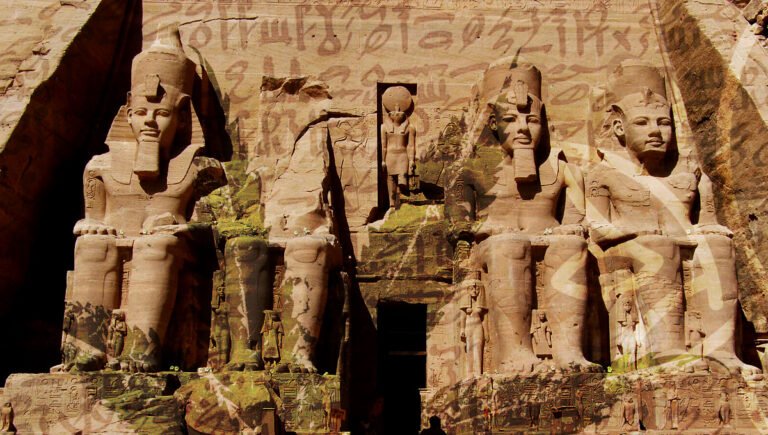
Before the crime,
there was the preparation.
In ancient Egypt, medicine stood between observation, ritual and plant knowledge.
Among the plant names preserved in Egyptian medical tradition is shemshemet, transliterated as šmšmt. Some scholars have identified it as cannabis or hemp, but that botanical identification is not secure.
What the texts preserve with greater certainty is a medicinal ingredient: ground, mixed, steeped, applied, washed or inserted as part of practical preparations.
The trace is small, disputed and still striking.
One prescription in the Ebers Papyrus combines šmšmt with honey and introduces the preparation vaginally, using the ancient language of cooling the uterus and removing its heat.
Another prescription, in Ramesseum Papyrus III, combines šmšmt with celery, leaves the mixture overnight and uses it as a morning eye wash.
These are textual references to šmšmt. Calling the ingredient cannabis depends on accepting the disputed botanical identification.
For LIBERA HERBA, the importance is not to pretend that ancient Egyptian medicine was modern pharmacology.
It was not.
The importance is that this disputed plant name appears inside one of humanity’s oldest medical archives.
Not as a crime. Not as a subculture. Not as a product.
As a preparation.
A possible cannabis trace inside a world where medicine, body, spirit and ritual had not yet been separated into modern boxes.
Factual Note
Shemshemet, transliterated as šmšmt, is an ancient Egyptian plant name found in medical and other texts. Warren R. Dawson proposed its identification with Cannabis sativa in 1934, partly because another textual reference associates the plant with cordage.
That identification became influential but remains disputed. The surviving word, recipes and references to cord do not by themselves establish the botanical species.
The Ebers Papyrus contains a preparation of šmšmt and honey used vaginally, while Ramesseum Papyrus III contains an eye preparation combining šmšmt with celery. These prescriptions are evidence for the medical use of the plant called šmšmt, not independent proof that the plant was cannabis.
Claims based on alleged cannabis pollen or drug residues from Egyptian mummies, including Ramesses II, should not be used as confirmation. Researchers have raised substantial concerns about contamination and the post-excavation history of such remains.
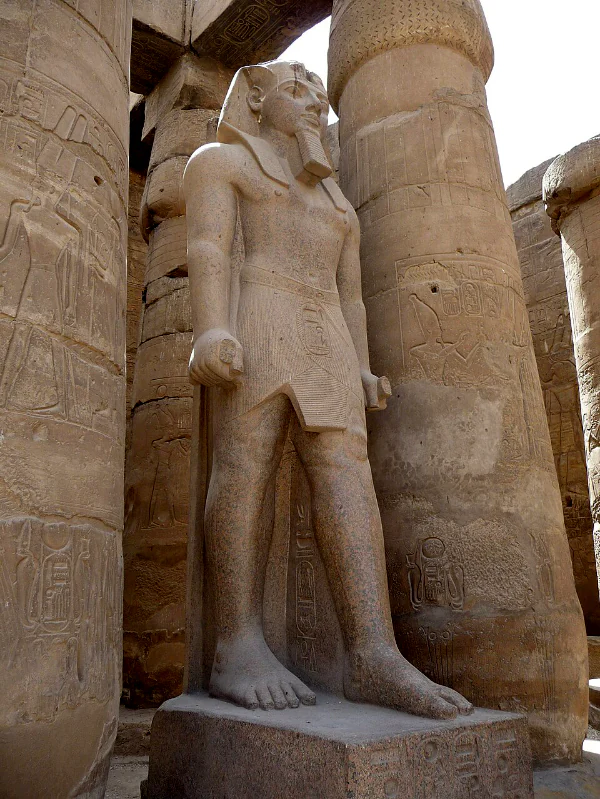 Ancient Egypt
Medical papyri tradition
c. 2nd millennium BCE
Egyptian medical texts preserved recipes combining plant substances, minerals, animal products and ritual language. Under some scholarly interpretations, shemshemet / šmšmt may refer to cannabis or hemp in preparations connected with gynaecology, inflammation and eye treatment. (link).
Join early.
Keep the archive open.
The VADEMECUM is becoming a living archive of guides, tools, notes and practical plant knowledge.
Free member access. Join early. Keep the archive open.
Join early.
Keep the
archive open.
The VADEMECUM is not just a book anymore. It is becoming a living archive of guides, tools, notes and practical plant knowledge.
Free member access. Join early. Keep the archive open.
The VADEMECUM is becoming a living archive of practical plant knowledge.
Free member access.