
—orig. developed through MOICANNA
– originally developed through MOICANNA
HEBRARIUM

Africa does not need
another miracle crop sold from
a hotel conference room.
It has seen enough of that.
Gold. Diamonds. Cocoa. Coffee. Tobacco. Minerals. Labour. Land. Water. Names change. The structure often does not. A resource is found, named, priced, licensed, exported and celebrated. The people closest to it are promised development. Too often, they receive policing, low wages, displacement, paperwork, dependency and speeches.
Cannabis may become different.
It may also become painfully familiar.
That is the danger.
South Africa is often described
as an emerging cannabis market.
And that is true — but only if the sentence is handled carefully.
The country has recognised private adult cannabis use, possession and cultivation through the Cannabis for Private Purposes Act. That matters. It is a real legal milestone. But this is not the same as a full commercial adult-use market. The Act still prohibits dealing in cannabis.
So when people say “South Africa has opened”, the correct answer is:
Opened what?
A clear route for small traditional growers?
That remains the hard question.
Zimbabwe, formerly Rhodesia,
is another signal.
It has allowed licensed production of cannabis for medicinal and scientific purposes, with regulatory guidelines issued through the Medicines Control Authority of Zimbabwe.
That sounds like progress. It may be progress.
But progress for whom?
If cannabis reform means only that companies with capital can apply for licences, build facilities, export product and speak the language of pharmaceutical value, then reform has not necessarily reached the farmer, the patient or the communities historically punished around the plant.
The licence is not the liberation.
Lesotho became one of Africa’s
early medical cannabis licensing cases.
It also shows the danger clearly: high licensing costs and export-oriented models can create a market where international capital enters faster than local farmers. A study on Lesotho’s cannabis sector noted licence costs around €30,000, which is not a small door for poor rural cultivators.
Morocco offers another important model because it has long-standing cannabis farming regions, especially in the Rif, and has now moved into legal medicinal and industrial cannabis. Its first legal harvest in 2023 involved hundreds of farmers and co-operatives. That is more interesting than a pure corporate model, but the question remains:
Will co-operatives gain real power,
or simply become the acceptable face of extraction?
Africa has often been asked
to provide raw value
while others capture the refined value.
In cannabis, the same structure could look like this:
But:
And then someone calls it development.
That is not cannabis reform.
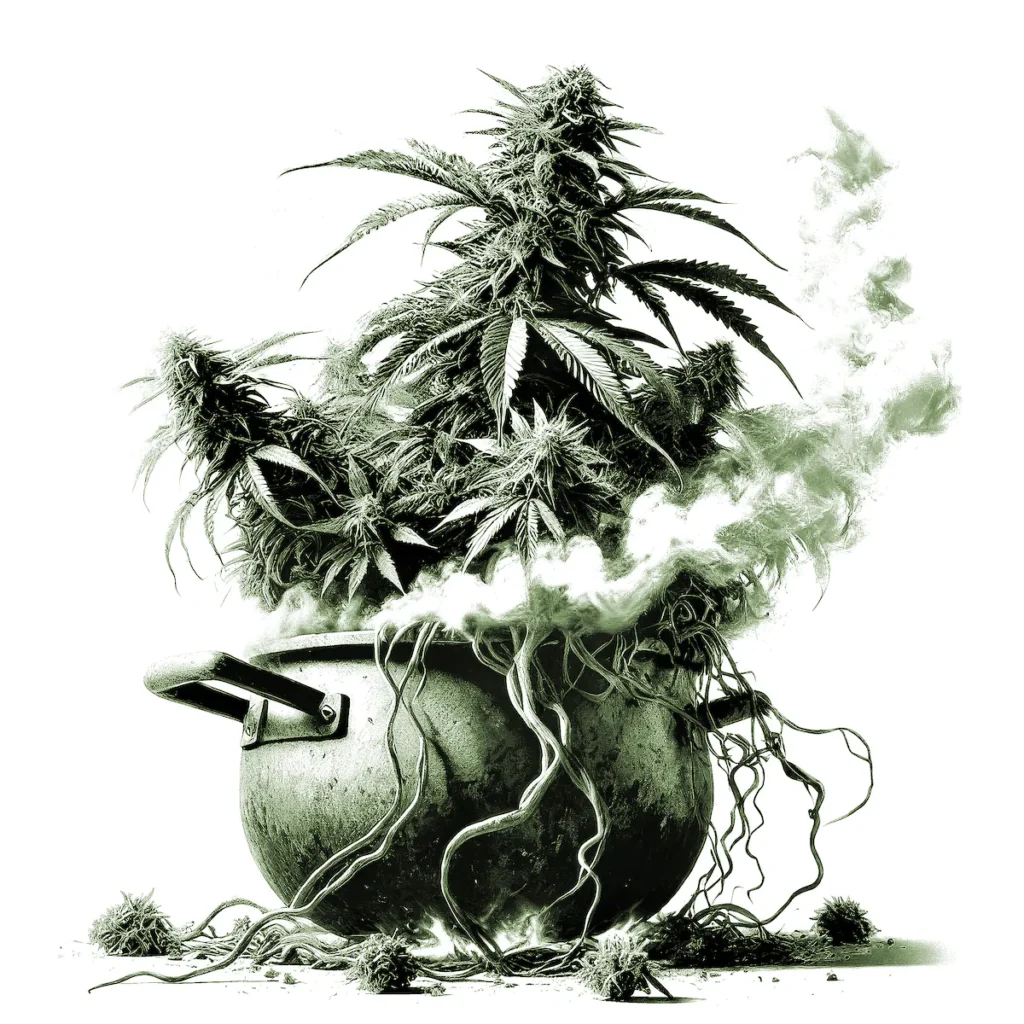
That is the mine with leaves.
We should not collapse into cynicism.
Cannabis could help.
But only if the system is designed for that.
A good African cannabis model would need:
Without these, “green gold” becomes an old story
with better packaging.
This is not a story about Africa
needing rescue.
That framing is poison.
The real question is sharper:
Can cannabis reform in Africa
avoid becoming another extractive industry?
And the answer is:
Only if legalisation is designed around people,
not only licences.
Join early.
Keep the archive open.
The VADEMECUM is becoming a living archive of guides, tools, notes and practical plant knowledge.
Free member access. Join early. Keep the archive open.
Join early.
Keep the
archive open.
The VADEMECUM is not just a book anymore. It is becoming a living archive of guides, tools, notes and practical plant knowledge.
Free member access. Join early. Keep the archive open.
The VADEMECUM is becoming a living archive of practical plant knowledge.
Free member access.