
—orig. developed through MOICANNA
– originally developed through MOICANNA
HEBRARIUM
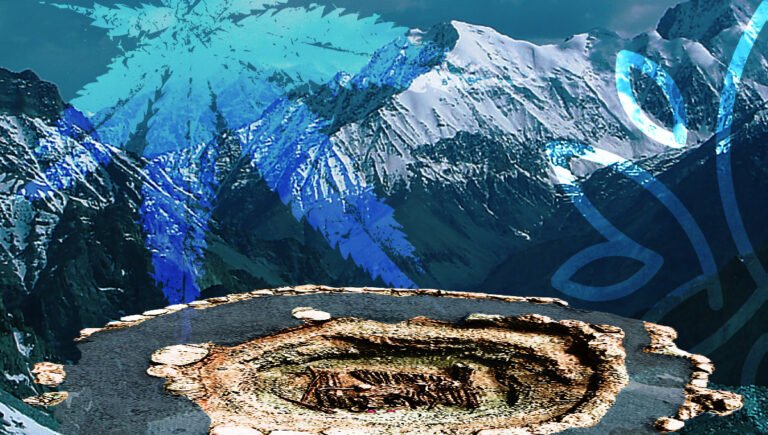
The plant becomes more dangerous
when attached to the wrong people.
Cannabis history is not only American. It is not only Anslinger, jazz, hemp farms, tax stamps and federal law.
In Greece, the plant enters cultural memory through another door:
the Rebetiko song.
After the Asia Minor Catastrophe of 1922 and the population exchange of 1923, large numbers of Greek refugees settled in Piraeus, Thessaloniki, Volos and other urban centres. They brought with them musical memories, instruments, modal language, café culture, Smyrnaic repertoire and the wound of displacement. Rebetiko did not begin from one single origin, but this refugee and working-class urban world became one of the places where it took shape.
This matters for LIBERA HERBA.
Because here cannabis is not a lifestyle accessory.
It is not branding.
It is not wellness.
It appears inside a world of exile, docks, poverty, prison, police, music, night, hunger, honour, masculinity, tenderness, smoke and survival.
The hashish songs — τα χασικλίδικα — are not the whole of Rebetiko. But they are part of its forbidden archive.
They speak from the tekés, the hashish den; from the port; from the prison; from the room where the marginalised sing themselves into memory. Some songs are playful. Some are boastful. Some are coded. Some are openly about hashish. Some carry the theatrical self-image of the mangas. Some simply document a social world that respectable society preferred not to see.
This is where the Greek case becomes powerful.
In the American story, cannabis was racialised through “marihuana” panic.
In the Greek story, cannabis was classed and moralised through the figure of the rebetis: the poor man, the displaced man, the prison man, the port man, the man outside polite order.
Different country.
Different language.
Same mechanism:
the plant becomes more dangerous
when attached to the wrong people.
Rebetiko grew in urban lower-class and working-class settings, and its themes often touched poverty, exile, love, crime, prison, drugs, death, illness, work and everyday sorrow. That is why it has so often been compared — carefully, not mechanically — to the blues. It is music of urban pain, social friction and lived marginality.
Then came censorship.
Under the Metaxas dictatorship, the state moved against the old underworld vocabulary. Teké references, drug references and other disreputable subjects disappeared from Greek studio recordings. The music did not die, but it was cleaned, redirected, disciplined. The smoke was pushed out of the official sound.
That moment is crucial.
The state did not only police bodies.
It policed lyrics.
It did not only close dens.
It cleaned songs.
And yet the songs survived.
This is the reversal that makes the trace worthy of LIBERA HERBA: what was once treated as low, dangerous, immoral and suspect is now part of Greek cultural memory. Rebetiko was inscribed by UNESCO in 2017 on the Representative List of the Intangible Cultural Heritage of Humanity. The same tradition once linked to tekés, prisons, refugees, ports and social suspicion now stands inside the language of heritage.
That does not mean we should romanticise it.
The hashish songs were not public-health documents.
They were not cultivation manuals.
They were not moral examples.
They were songs from a hard world.
But that is exactly why they matter.
They show how cannabis moved through Greek life not as an abstract plant, but as sound, slang, place, police pressure and memory.
For LIBERA HERBA, the point is not to celebrate intoxication.
The point is to preserve the trace.
Because a society often reveals itself by what it tries to silence.
Rebetiko kept singing.
And inside some of those songs, the plant remained — not as botany, but as smoke, stigma, companionship, defiance and sorrow.
The hashish songs did not preserve
cannabis as botany.
They preserved it as atmosphere, slang, memory and social position.
They record who was watched, who was censored, who gathered in marginal spaces and what kinds of lives respectable culture preferred not to hear.
The songs should not be romanticised.
But neither should they be cleaned of the world that produced them.
Factual Note
Rebetiko developed through multiple urban Greek and Asia Minor musical streams, especially in the late 19th and early 20th centuries. After the Asia Minor Catastrophe of 1922 and the 1923 population exchange, refugee communities contributed strongly to its development in Piraeus, Thessaloniki, Volos and other urban centres.
Rebetiko lyrics often addressed poverty, exile, crime, prison, drugs, love, death, illness and everyday life. Hashish songs, or χασικλίδικα, form one part of this repertoire, especially connected with teké culture and the urban underworld. Under the Metaxas dictatorship, drug references and other disreputable themes were censored from Greek recordings. In 2017, rebetiko was inscribed on UNESCO’s Representative List of the Intangible Cultural Heritage of Humanity.
Join early.
Keep the archive open.
The VADEMECUM is becoming a living archive of guides, tools, notes and practical plant knowledge.
Free member access. Join early. Keep the archive open.
Join early.
Keep the
archive open.
The VADEMECUM is not just a book anymore. It is becoming a living archive of guides, tools, notes and practical plant knowledge.
Free member access. Join early. Keep the archive open.
The VADEMECUM is becoming a living archive of practical plant knowledge.
Free member access.