
—orig. developed through MOICANNA
– originally developed through MOICANNA
HEBRARIUM
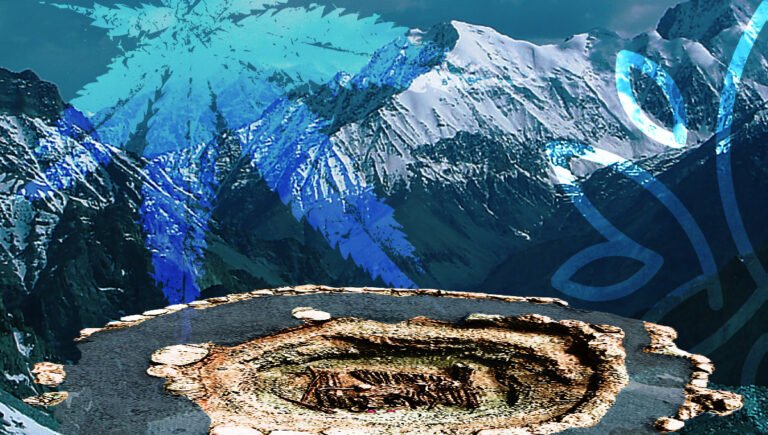
Before cannabis became an edible,
it was a seed.
Before it became a lifestyle ingredient,
it was oil.
Before modern edibles turned the plant into dosage, flavour, packaging and regulation, hemp lived in older food worlds: seed, porridge, oil, meal, animal feed, household use and rural survival.
This is one of the quietest cannabis traces.
Hempseed has a long history as food and agricultural material across parts of Asia and Europe. Modern nutritional research describes it as a source of oil, protein, essential fatty acids, fibre, minerals and essential amino acids.
But it matters because it restores ordinariness.
The plant was not always exotic.
Sometimes it was simply eaten.
Hempseed has been described as an important nutritional resource for thousands of years in Old World cultures. Modern nutritional reviews note that hempseed contains valuable oil, protein, essential fatty acids, minerals, vitamins, fibre and essential amino acids.
That does not mean we should turn hempseed into a miracle food.
LIBERA HERBA should avoid that language.
The point is not miracle. The point is continuity.
A seed is the least dramatic part of the cannabis story, and perhaps the most useful correction to modern confusion. It reminds us that the plant entered human life through many doors at once: as fibre and food, medicine and oil, animal feed, paper, ritual and trade.
The food door matters. Because food changes the tone.
A society may fear smoke and forget seed, or ban resin and forget oil. It may argue over intoxication while ignoring the bowls, presses, kitchens, mills and fields that belong to the same botanical history.
Hemp oil especially belongs to a pre-industrial world in which plant oils had practical value. It could be pressed, stored, used in food traditions and connected to household economy. The seed itself could be eaten, ground, hulled or processed into meal.
This is not the same story as modern THC edibles.
That distinction is essential.
A hempseed cake, a porridge enriched with seed, or an oil pressed from industrial hemp seed belongs to a different cultural and chemical world from a psychoactive cannabis edible. To collapse them together would be bad education.
Modern cannabis confusion often begins with that collapse.
One plant.
Many preparations, risks, histories, laws and cultural meanings.
For LIBERA HERBA, the table is useful because it slows the conversation down.
It asks:
Which part of the plant? Prepared how, used by whom and for what purpose? With what effect, and under what law?
That is the educational move.
The seed also helps restore class and rural memory. Food history is rarely only about taste. It is also about availability, poverty, storage, local crops, animal feed, oil presses and household necessity. Hempseed was not always consumed because it was fashionable. Often, useful plants survive because people need them.
That makes the trace humble.
And valuable.
Today, hempseed has returned through health-food shelves, plant protein, cold-pressed oils, snack bars, vegan products and functional-food language. Modern reviews describe hempseed as nutritionally valuable, with protein and oil content that make it attractive for contemporary food development.
But again: caution.
The return of hempseed to the market should not erase its older identity.
This is why the seed belongs in the Herbarium.
It does not shout. It corrects.
It tells us that cannabis history is not only the history of fear, pleasure, medicine or law.
It is also the history of the ordinary table.
And sometimes the ordinary is exactly what
prohibition taught us to forget.
Factual Note
Hempseed comes from Cannabis sativa varieties cultivated for food and other low-THC uses. The seeds naturally contain little or no cannabinoids internally, although trace contamination may occur through contact with resin-bearing plant material during harvesting and processing.
Hempseed and hempseed oil provide protein, dietary fibre, polyunsaturated fatty acids, minerals and other nutrients. Their nutritional value does not make them medicines or universal “superfoods”.
Hempseed foods should not be confused with psychoactive cannabis edibles. They differ in preparation, cannabinoid content, effects, regulation and cultural history.
Join early.
Keep the archive open.
The VADEMECUM is becoming a living archive of guides, tools, notes and practical plant knowledge.
Free member access. Join early. Keep the archive open.
Join early.
Keep the
archive open.
The VADEMECUM is not just a book anymore. It is becoming a living archive of guides, tools, notes and practical plant knowledge.
Free member access. Join early. Keep the archive open.
The VADEMECUM is becoming a living archive of practical plant knowledge.
Free member access.